tHE OKANAGAN VALLEY
BRITISH COLUMBIA
The Okanagan is a special place, with it's beautiful lakes surrounded by sagebrush dotted grassland hills and benches with ponderosa pine/douglas fir forests mixed-in. Summertime is a draw for tourists from around the world and across Canada who come to enjoy the sunshine, hot summer days, warm lakes, fresh local fruit and wine. The Valley has also drawn many people to move here from across Canada and from all over the world. This has put tremendous strain on the unique and sensitive ecosystems and wildlife habitats.
To all the incredible philanthropists out there, the rare and endangered animals of the Okanagan urgently need your help. Remember if it wasn't for the generous donations of America's philanthropists and their understanding of the need to protect nature and the beautiful and special places, there would be no Yellowstone and the compete national park system in United States. Here in British Columbia if it wasn't for the forethought of some politicians and private land owners, there would be no Stanley Park in Vancouver, Golden Ears and Garibaldi, no Tweedsmuir, Manning Provincial Parks, Glacier or Yoho National Parks. Now here in the Okanagan the narrow strip of the grassland ecosystem that stretches up from the American deserts has not been considered in the development of the Valley. Early in the history of European settlement, was cattle ranching and then fruit orchards and now urban sprawl, with no consideration for the wildlife that depend on the ecosystems of this valley to survive, prosper and move freely in their needed range, to support biodiversity.
So if you are passionate about preserving the biodiversity of our planet and in particular BC's Okanagan Valley, please generously donate to any or all of these charitable environmental organizations: BC Parks Foundation, Nature Conservancy of Canada, Nature Trust of BC, Ducks Unlimited
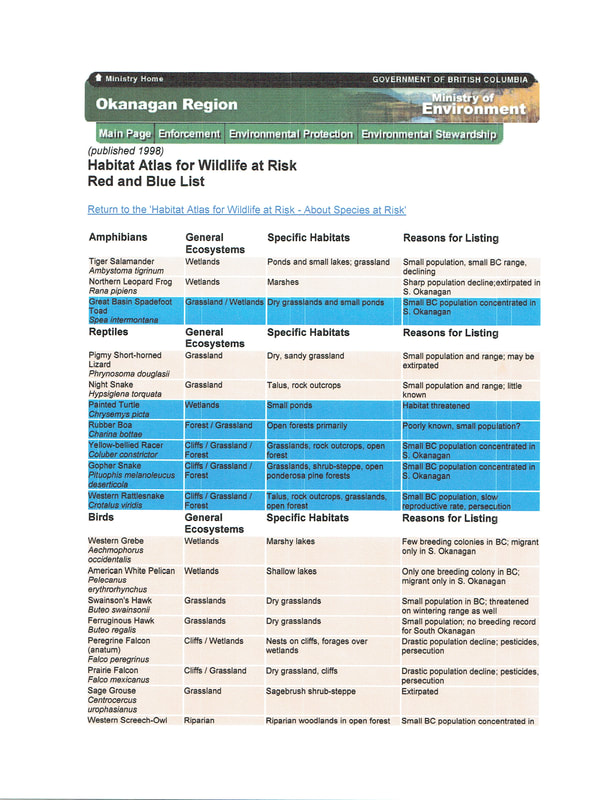
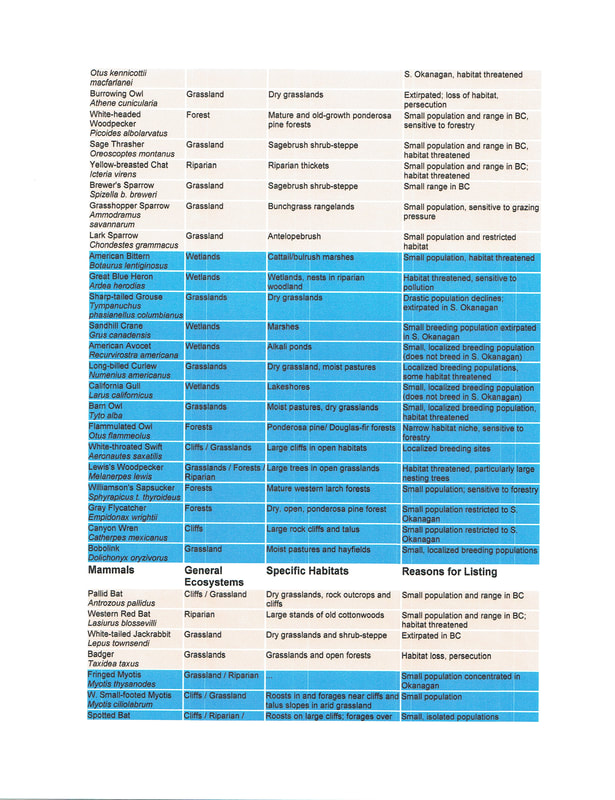
The following table shows the species that are at-risk of disappearing from the valley and may affect others of the same species in other grasslands in the province.
So if you are passionate about preserving the biodiversity of our planet and in particular BC's Okanagan Valley, please generously donate to any or all of these charitable environmental organizations: BC Parks Foundation, Nature Conservancy of Canada, Nature Trust of BC, Ducks Unlimited
The following table shows the species that are at-risk of disappearing from the valley and may affect others of the same species in other grasslands in the province.
|
|

|
Here are some of the threatened and at risk species.
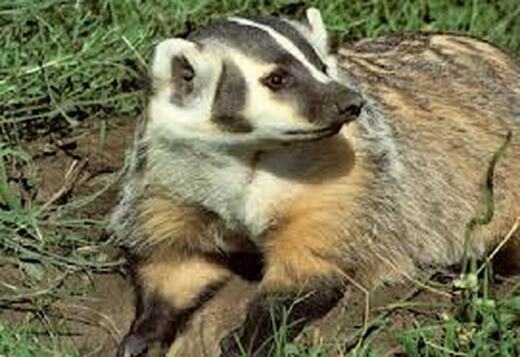
badgerThere are only about 25 to 30 Badgers left in the Okanagan. We need to preserve their last remaining habitat. Status: British Columbia Red List Special Significance The Badger is at risk in British Columbia because the amount of suitable habitat is small and has been adversely affected by human activity. Key areas of low elevation grasslands and open pine or fir forests have been lost. The small British Columbia population is vulnerable to regional and provincial extirpation. This burrowing mammal may play an important role controlling rodents that cause pasture or cropland damage. The continued survival of Badger populations in British Columbia requires establishment of protected areas, responsible stewardship of ranges used for cattle grazing, appropriate forest management practices, a reduction in the use of rodenticides and an increased understanding of this interesting animal. |
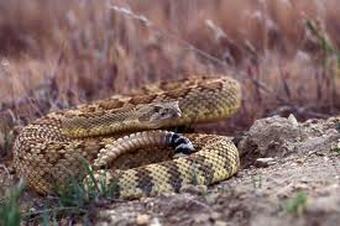
rattlesnakeStatus: British Columbia Blue List The habitat that the valley's Rattlesnakes and Gopher Snakes rely on for survival, has been shrinking steadily over the last few decades, so we should be protecting as much habitat as we can, to help these threatened species survive into the future. The Okanagan – Similkameen & Vernon populations extend from the international border at Osoyoos and continue north along the Okanagan valley to Vernon. Connectivity between the extant population in Vernon and the known extant population further south in the Okanagan is compromised by extensive urban development. The species has been extirpated from much of its former habitat in Kelowna and the two populations are now likely disjunct. The southern portion of the population continues south from Okanagan Mountain Park to the international border and east along the Similkameen River through Richter Pass and Yellow Lake Pass, from Chopaka (at the International Border) northwest to Bromley Rock. |
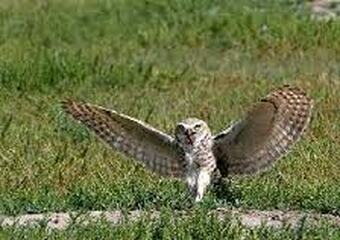
burrowing owlStatus: British Columbia Red List People are have been working for years to bring back to population of Burrowing Owls in the dry grassland valleys of the southern interior. Normally, the owls occupy former badger dens but their grassland habitat is being threatened by urbanization and expanding agriculture in the Okanagan and Thompson Nicola Valleys. So if the Badgers disappear, the owls have little hope. |
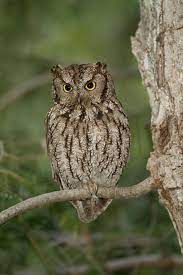
SCREECH OWL
Status:
British Columbia Red List Special Significance In British Columbia's dry Southern Interior, Western Screech-Owls are restricted to the moist woodlands along streams and lakes. This species is at risk because of its small provincial population size and loss of breeding and foraging habitat. Landowners living in or near suitable screech-owl habitat can assist these birds by protecting remaining riparian habitats, retaining large, standing dead trees and constructing nest boxes. Further studies are required to determine the Western Screech-Owl's population density, habitat use and home range size. Distribution
|
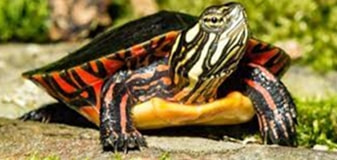
PAINTED TURTLE
Status:
British Columbia Blue List Special Significance The Painted Turtle requires wetlands, ponds or similar small bodies of water for hiding and foraging, adjacent to upland areas with dry, light-textured soils for nesting. Unfortunately, within its limited British Columbia range, the Painted Turtle is threatened by alteration or destruction of this important habitat. Wetlands and ponds are drained, filled and modified to meet human needs. Landowners can assist the continued survival of British Columbia's only native freshwater turtle by taking care to avoid disturbing turtles and protecting known breeding locations on their property. Distribution
|
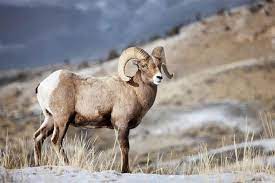
BIGHORN SHEEP
Status:
British Columbia Blue List Special Significance California Bighorn Sheep no longer occur in many areas of the Okanagan because of degradation of habitat, changes in predation mortality and historical over-harvest by legal or illegal hunting. The invasion of non-native plants, intensive cattle grazing, fire suppression, timber harvesting, and land development are factors that have limited access to forage plants. Sheep survival depends on familiarity with their habitat and they are slow to re-occupy vacant habitats. Distribution
|
BC Ministry of Environment
https://www.env.gov.bc.ca/okanagan/esd/atlas/atrisk.html
(published 1998)
Habitat Atlas for Wildlife at-Risk About Species at Risk
https://www.env.gov.bc.ca/okanagan/esd/atlas/atrisk.html
(published 1998)
Habitat Atlas for Wildlife at-Risk About Species at Risk
All these species (above) need our help to survive now and into the future.
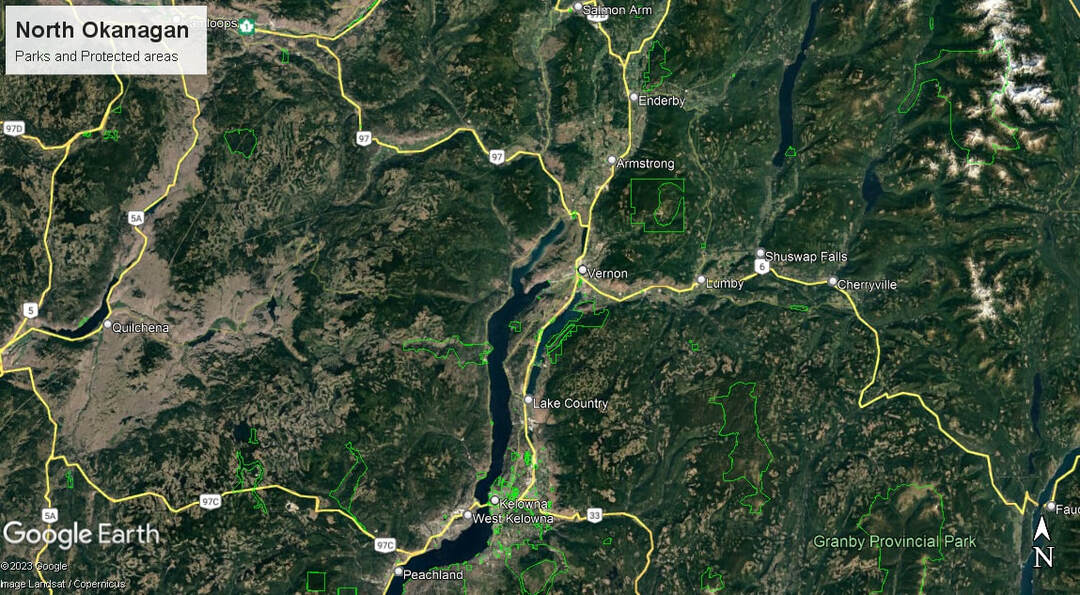
NORTH OKANAGAN PARKS AND PROTECTED AREAS 2023
Only around 8% protected
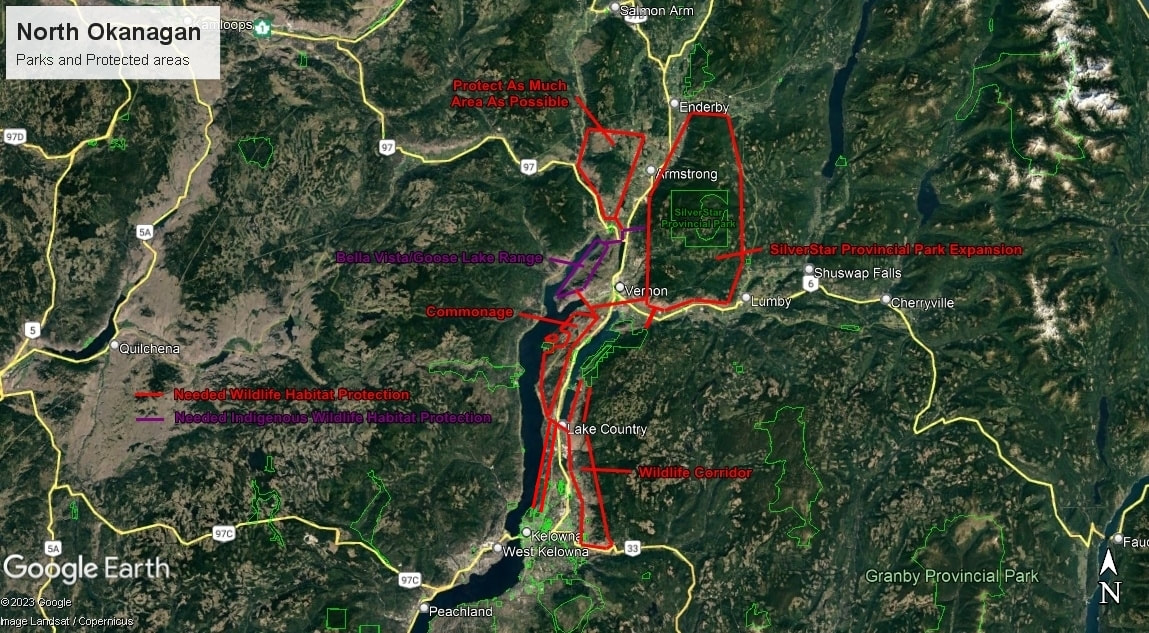
NORTH OKANAGAN PARKS AND PROTECTED AREAS 2030
This would protect close to 30%
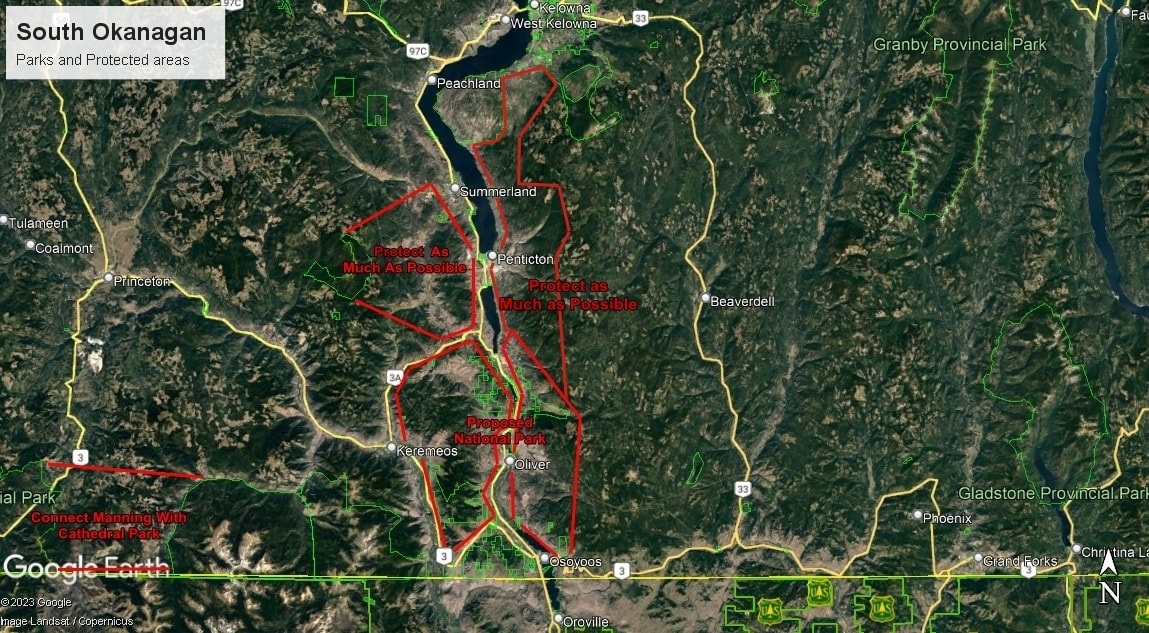
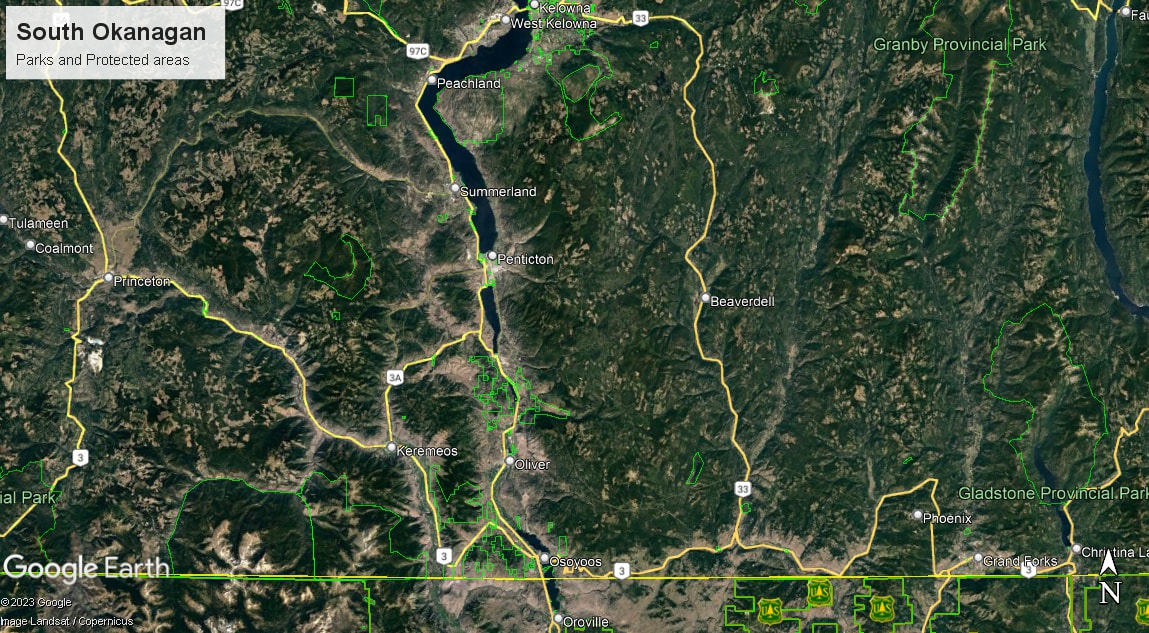
SOUTH OKANAGAN PARKS AND PROTECTED AREAS 2023
Only around 21% Protected
SOUTH OKANAGAN PARKS AND PROTECTED AREAS 2030
This would protect close to 30%